Insights
At Affine, we combine financial expertise and project execution. Each informs and strengthens the other - creating practical solutions that drive real impact for building owners and financial institutions.
Here are some of the insights we've gained along the way.
Real Estate Valuation plays a critical role in determining how capital flows through the real estate market. Drawing on two years of research and collaboration with Canadian financial institutions, Affine explored how sustainable valuation can evolve in Canada through stronger market demand, helping better connect building performance, risk, and value while supporting the transition to a low-carbon and climate-resilient building sector.
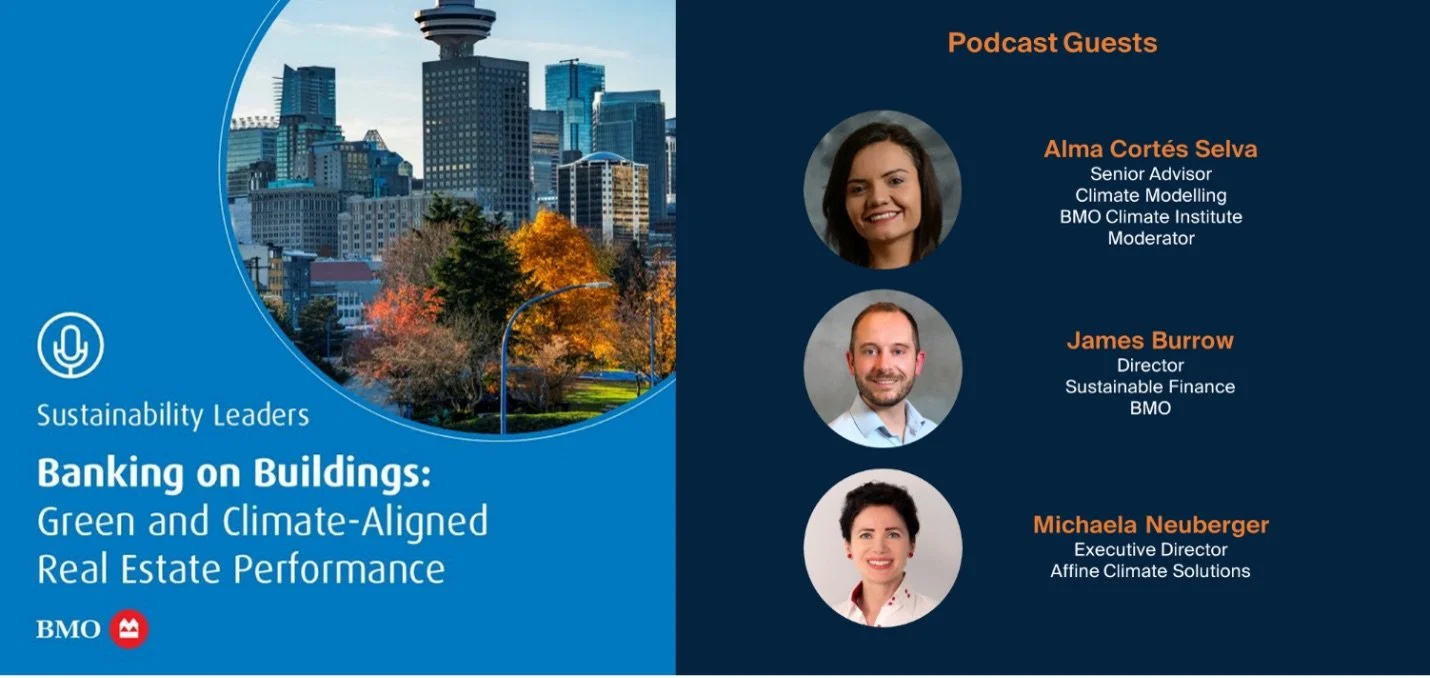
Through the Banking on Buildings Program, Affine Climate Solutions identified targeted capital relief as a high-impact opportunity to scale preferential financing for climate-aligned buildings. Our Budget 2026 submission explores how this market-based approach could unlock private investment in housing, retrofits, and climate resilience while maintaining financial system stability.
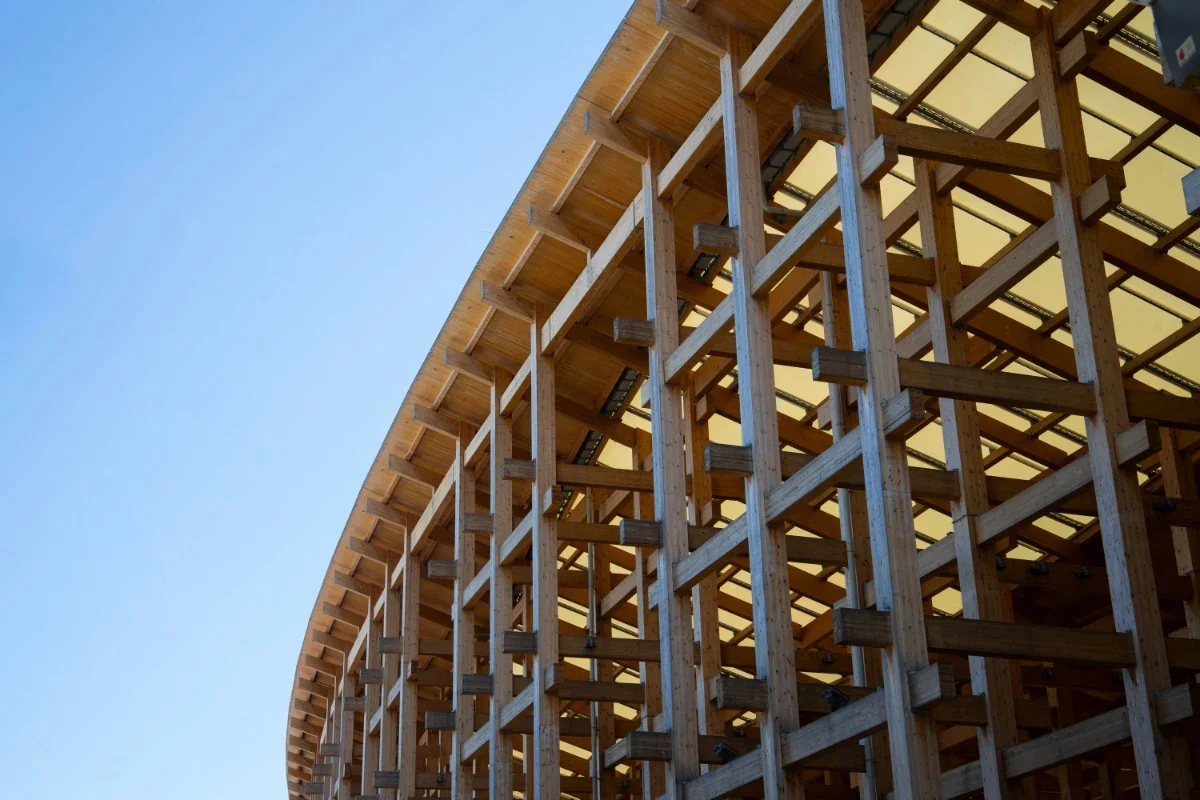
Mass timber is emerging as a new model for climate-aligned real estate development — combining low-carbon construction, prefabrication, and high-performance building systems to improve project delivery, strengthen operational resilience, and support stronger long-term financial outcomes. As evidence and market familiarity continue to grow, advanced wood construction is increasingly being recognized not only as a sustainability solution, but as a performance-driven investment strategy.
Research from the Banking on Buildings Program demonstrates that climate-aligned buildings consistently outperform conventional assets on financial returns, resilience, and credit risk.
We conducted a comprehensive review of 100+ peer-reviewed studies to assess financial and risk evidence supporting differentiated lending practices for climate-aligned buildings.
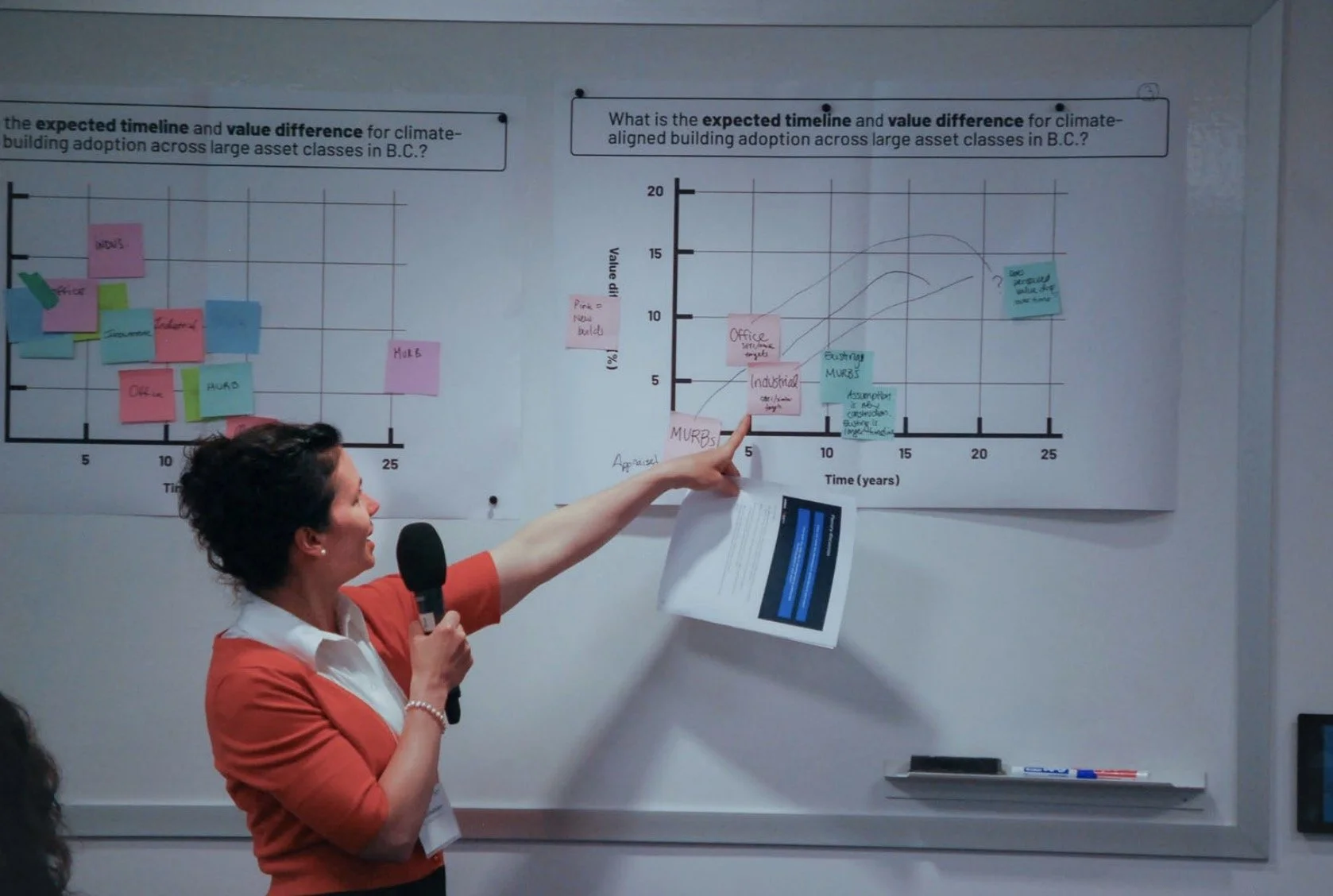
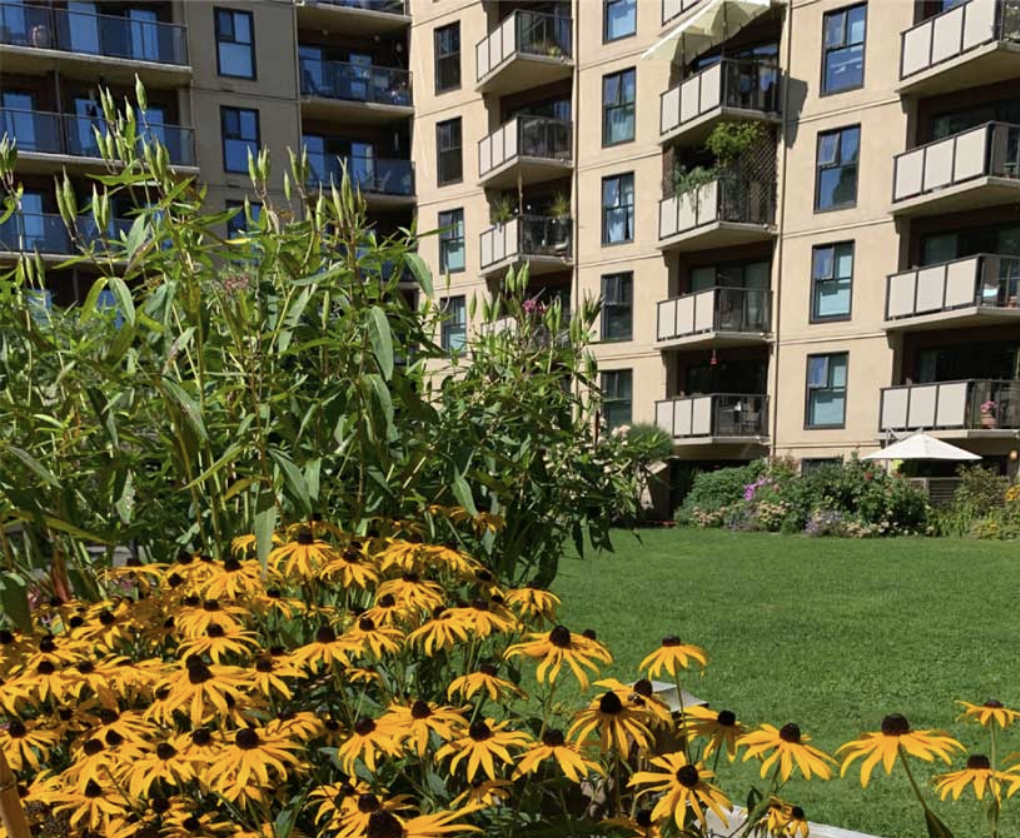
Climate-aligned buildings lower risk and improve financial performance, but higher upfront costs and weak near-term incentives slow adoption. We convened 100+ stakeholders to clarify what is working – and what must happen to unlock financing solutions.
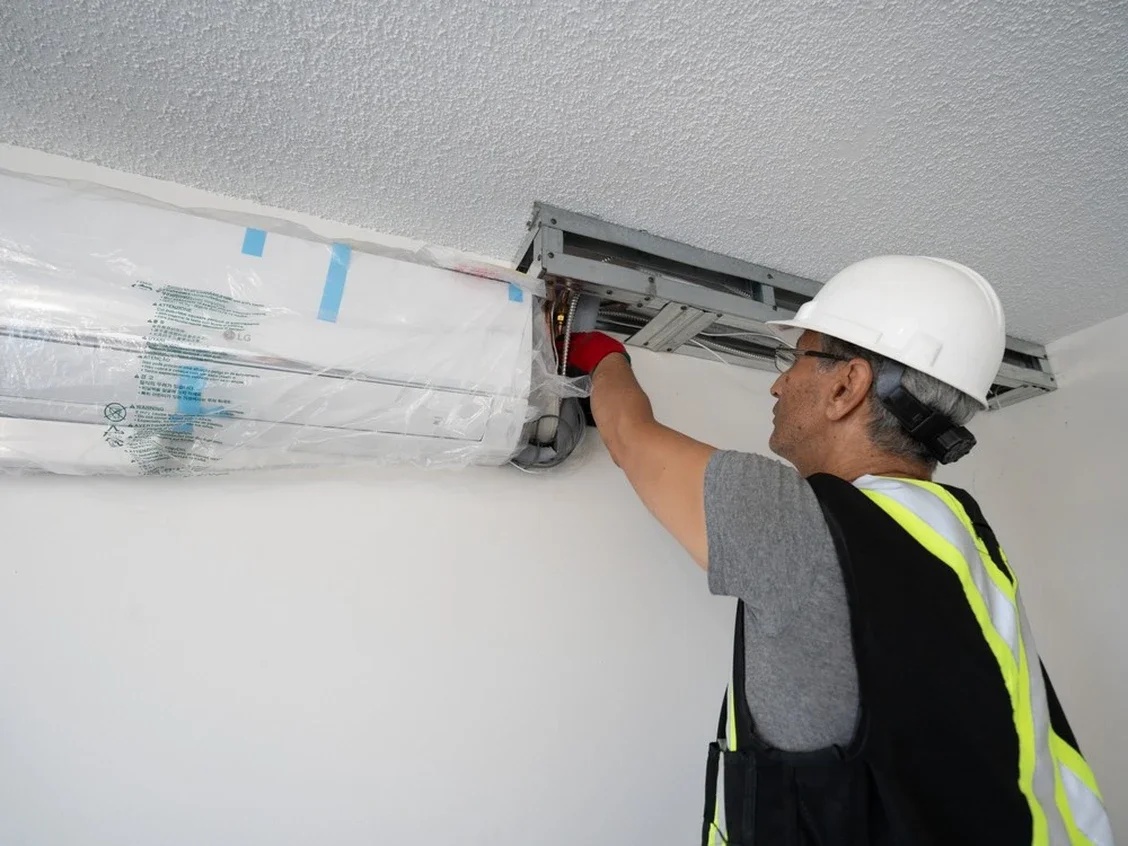
The good news? We have the technology - and, since 2022, heat pump sales exceed furnace sales in B.C. The challenge? Financing: costs are a steep hill for strata councils and rental owners.
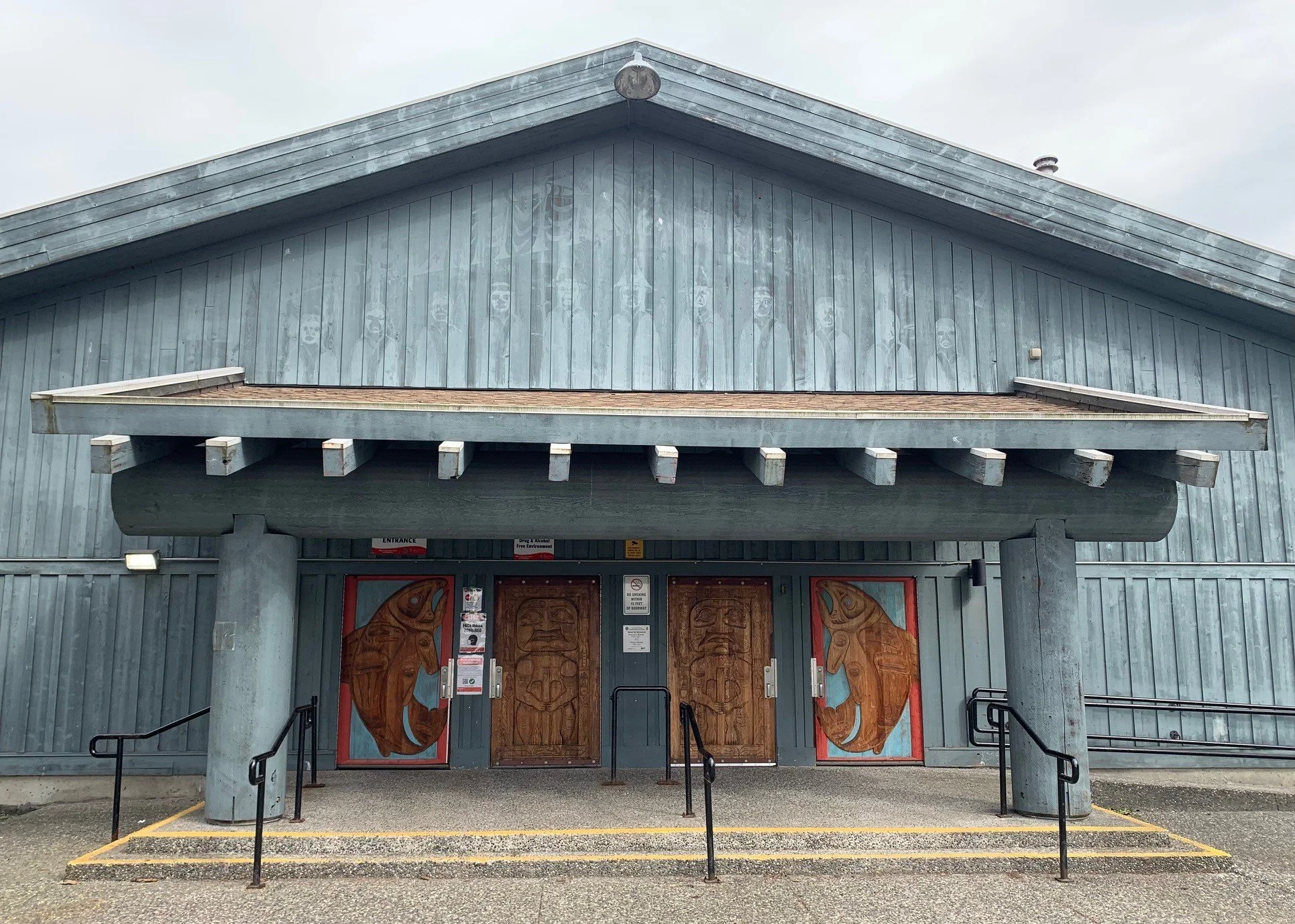
We supported planning for a deep retrofit pilot to demonstrate the financial and community value of fully electrifying a cultural hub to support long-term net-zero and resilience goals.
Our Total Cost of Ownership (TCO) analysis shows that mass timber can strengthen climate performance and long-term value beyond upfront cost.
Retrofitting often costs less and emits far less carbon than rebuilding – but the right choice depends on priorities. We explored the trade-offs between affordability, density, cost, and climate outcomes.
We have developed a practical guide to help stakeholders in sustainable finance and real estate decode common terminology.