

Advancing Climate-Aligned Real Estate Valuation in Canada: From Research to Market Readiness
Real Estate Valuation plays a critical role in determining how capital flows through the real estate market. Drawing on two years of research and collaboration with Canadian financial institutions, Affine explored how sustainable valuation can evolve in Canada through stronger market demand, helping better connect building performance, risk, and value while supporting the transition to a low-carbon and climate-resilient building sector.

For the past two years, Affine Climate Solutions has been working alongside five Canadian financial institutions through the Banking on Buildings Program to answer a critical question:
How do we create stronger financial incentives for climate-aligned buildings?
As financial institutions explore ways to support energy efficiency, emissions reductions, and building resilience through their lending and investment activities, one challenge has surfaced repeatedly: if climate-aligned building performance is not reflected in valuation practices, it becomes difficult to consistently recognize those benefits within financial decision-making. Advancing sustainable valuation could help create the conditions needed for preferential financing and other market incentives by better linking building performance to financial value.
While building owners are increasingly investing in sustainability measures, the Canadian valuation system has not yet fully evolved to account for the risks and opportunities associated with the transition to a low-carbon economy.
Recognizing this gap, Affine set out to better understand the role financial institutions can play in advancing sustainable valuation in Canada. Through research and expert engagement, we assessed international approaches to sustainable valuation, barriers in the Canadian market, and practical pathways for moving the industry forward.
This work culminated in two important milestones:
The release of our report, Advancing Climate-Aligned Real Estate Valuation in Canada: Pathways to Action Based Upon Market Signals and International Insights.
An industry workshop held on April 15, 2026, hosted by RBC, which brought together more than 70 stakeholders from across the real estate finance ecosystem.
Together, the research and workshop provide a clearer picture of where the Canadian market stands today—and what it will take to move sustainable valuation from concept to practice.
Why valuation matters
Valuation influences lending decisions, investment strategies, risk management practices, and capital allocation across the real estate sector.
As climate-related risks become more material, valuation is increasingly viewed as a mechanism for translating building performance into financial value. International evidence suggests that sustainability characteristics can influence operating costs, tenant demand, resilience, and exposure to future transition risks. At the same time, inefficient assets may face growing risks related to obsolescence, rising costs, and declining competitiveness.
Yet Canadian valuation practices remain largely dependent on historical market evidence, making it difficult to consistently assess emerging climate-related risks and opportunities.
What we learned
Our research examined sustainable valuation approaches in jurisdictions including the United Kingdom, Europe, Australia, and the United States.
A key finding was that sustainable valuation does not require entirely new valuation methodologies. Instead, it involves improving existing approaches to better account for factors that increasingly affect asset performance and risk.
The research identified four key conditions required to support sustainable valuation adoption in Canada:
Strong market demand from lenders, investors, and building owners.
Reliable, comparable, and accessible building performance data.
Practical integration into existing valuation processes.
Standards, guidance, and training for valuators.
These findings suggest that sustainable valuation is as much a market transformation challenge as it is a technical one.
Insights from financial institutions and industry stakeholders
Throughout the Banking on Buildings Program and the April workshop, participants consistently identified valuation as a critical link between building performance and financing outcomes.
Without valuation processes that recognize climate-related risks and opportunities, lenders face challenges in demonstrating the long-term financial benefits of climate-aligned assets. This can limit the effectiveness of preferential financing products and reduce incentives for building owners to invest in performance improvements.
Workshop participants also emphasized that value may emerge more clearly through the avoidance of downside risk than through immediate pricing premiums. Protecting against future obsolescence, vacancy pressures, rising operating costs, and regulatory exposure was viewed as a significant driver of value preservation.
While barriers remain, the discussions revealed growing momentum and broad support for a phased approach that allows sustainable valuation practices to evolve alongside improving data, benchmarking requirements, and industry capacity.
What happens next
One of the clearest conclusions from both the research and workshop is that Canada is entering a market preparation phase.
The industry increasingly understands the need for climate-aligned valuation, but widespread implementation will require collaboration among lenders, valuators, building owners, regulators, and industry associations. Progress will depend on creating market demand, strengthening data infrastructure, building industry capacity, and developing practical frameworks that can be integrated into existing valuation practices.
Through the Banking on Buildings Program, Affine will continue working with financial institutions and industry partners to support this transition and advance practical pathways for sustainable valuation adoption in Canada.
As climate considerations become increasingly relevant to asset performance and financial decision-making, sustainable valuation represents an important opportunity to improve risk pricing, strengthen market transparency, and help unlock investment in high-performing, climate-aligned buildings.
Read the Advancing Climate-Aligned Real Estate Valuation in Canada Report
Read the Sustainable Valuation Workshop Insights and Next Steps Report
Capital Relief for Climate-Aligned Real Estate: A Market-Based Opportunity for Canada
Through the Banking on Buildings Program, Affine Climate Solutions identified targeted capital relief as a high-impact opportunity to scale preferential financing for climate-aligned buildings. Our Budget 2026 submission explores how this market-based approach could unlock private investment in housing, retrofits, and climate resilience while maintaining financial system stability.
For the past two years, Affine Climate Solutions has worked alongside Canadian financial institutions through the Banking on Buildings Program to accelerate preferential financing for climate-aligned buildings.
From the outset, one question consistently emerged from lenders: What is the business case for offering better financing terms to climate-aligned buildings?
To answer that question, we looked at 20 years of evidence that shows how sustainability drives stronger net operating income and lowers credit risk. Our research findings are summarized in the Financing the Future report.
As our work progressed, we became aware of a limitation. Even when lenders recognize the lower risk profile of climate-aligned buildings, regulatory capital requirements can limit the extent to which those benefits are reflected in financing terms.
This led us to explore a potentially high-impact solution: targeted capital relief for climate-aligned real estate lending. By better aligning capital requirements with measurable differences in risk, this approach could enable financial institutions to expand preferential financing offerings while maintaining the safety and stability of Canada's banking system.
This work ultimately informed Affine Climate Solutions' recent submission to the House of Commons Standing Committee on Finance as part of the federal government's pre-budget consultations for Budget 2026. The submission outlines how targeted capital relief could help unlock private investment in housing, retrofit activity, and climate resilience—without relying on large new public spending programs.
What is Capital Relief?
Capital requirements determine how much capital financial institutions must hold against loans. These rules are designed to protect financial stability by aligning capital reserves with risk exposure.
However, growing evidence shows that climate-aligned buildings consistently demonstrate lower risk profiles than conventional buildings. Research across Canada, the United States, Europe, and Asia has found that high-performance buildings often exhibit:
Lower default risk
Stronger and more stable asset values
Lower operating cost volatility
Improved income stability
Where risk differentials are measurable, prudential frameworks should reflect them.
Targeted capital relief would reduce the amount of capital lenders are required to hold against qualifying climate-aligned real estate loans. This creates additional lending capacity and lowers financing costs, enabling financial institutions to offer more competitive borrowing rates for eligible projects.
Importantly, this approach mobilizes private capital through existing financial system structures rather than creating a large new federal spending program.
Why This Matters Now
Canada’s current policy toolkit for buildings has relied heavily on grants, concessional financing, and tax measures. While these programs are important, they can be fiscally intensive and difficult to scale to the level required to meet housing and climate objectives simultaneously.
Capital relief represents a complementary tool that works through market incentives rather than direct public expenditure.
The potential benefits are significant:
Lower financing costs for climate-aligned housing and retrofit projects
Increased private investment in low-carbon and resilient buildings
Faster housing delivery and rehabilitation activity
Improved energy affordability and resilience outcomes
Stronger alignment between financial regulation and real-world climate risk
The approach also aligns closely with Canada’s evolving sustainable finance and taxonomy work by linking preferential financing conditions to measurable building performance outcomes.
Positive Reception from the Banking Sector
Through Affine’s Banking on Buildings Program, extensive consultations have been conducted with stakeholders across the real estate and financial sectors. Discussions to date have indicated positive reception to the concept of targeted capital relief within the Canadian banking sector, particularly where implementation is grounded in credible standards, measurable outcomes, and prudential integrity.
This reflects growing recognition that financial regulation can play a constructive role in accelerating market transformation while maintaining financial system stability.
What We Recommended in the Federal Pre-Budget Submission
In our submission to the House of Commons Standing Committee on Finance, Affine recommended that the federal government:
Direct federal financial regulators, including OSFI, to explore and implement targeted capital relief mechanisms for climate-aligned real estate lending
Base implementation on measurable building performance outcomes such as energy efficiency, emissions reductions, and climate resilience
Invest in the standards, data infrastructure, and verification systems required to support prudent and scalable implementation
Looking Ahead
Canada has an opportunity to build on its financial sector strength and regulatory credibility to mobilize significantly greater private investment into climate-aligned buildings.
Well-designed capital relief mechanisms could help lower financing barriers, support housing and retrofit activity, improve resilience outcomes, and strengthen economic competitiveness—all while minimizing pressure on public finances.
Affine Climate Solutions will continue advancing this work through research, stakeholder engagement, and collaboration with industry and government partners.
Read the budget submission here

Unlocking Mass Timber Finance for the Canadian Market
Mass timber is emerging as a new model for climate-aligned real estate development — combining low-carbon construction, prefabrication, and high-performance building systems to improve project delivery, strengthen operational resilience, and support stronger long-term financial outcomes. As evidence and market familiarity continue to grow, advanced wood construction is increasingly being recognized not only as a sustainability solution, but as a performance-driven investment strategy.
Mass Timber’s Emerging Pathway to Financial Performance
Why Mass Timber is Gaining Attention
Mass timber addresses several converging pressures facing the real estate sector: accelerate housing delivery, improve construction productivity, and the need to reduce embodied carbon and deliver more resilient, high-performing buildings.
Its prefabricated delivery model can shorten construction timelines, reduce site disruption, improve safety, and accelerate occupancy - all factors that directly influence project risk and financial performance.
At the same time, market demand for climate-aligned real estate continues to grow as lenders, insurers, investors, and regulators increasingly focus on long-term asset resilience and transition risk.
The Financing Gap
Despite growing interest, financing pathways for mass timber projects remain underdeveloped.
Traditional underwriting and construction financing models were designed around conventional construction sequencing and often do not align with prefabrication timelines, upfront manufacturing deposits, or alternative risk profiles associated with advanced wood construction.
Stakeholder engagement also identified persistent concerns related to insurance, supply chains, moisture management, cost certainty, and limited lender familiarity with mass timber delivery models.
These gaps create friction for manufacturers and developers even as evidence supporting climate-aligned buildings continues to strengthen.
What the Evidence Shows
Research across global real estate markets increasingly demonstrates that climate-aligned and energy-efficient buildings outperform conventional assets on key financial indicators, including operating costs, occupancy, tenant retention, and asset value (read our Financing the Future report).
Mass timber projects may support similar outcomes through:
Faster project delivery and earlier revenue generation
Reduced interest during construction
Lower operational costs through high energy performance
Improved tenant experience and leasing demand
Stronger resilience and long-term asset positioning
Real-world case studies in Vancouver and Toronto further demonstrate that mass timber can deliver both environmental and economic value while helping build lender confidence in the sector.
Why This Matters for Financial Institutions
For lenders and insurers, mass timber highlights a broader shift already underway across real estate finance: the move toward performance-based underwriting.
As climate risk, transition risk, and operational resilience become increasingly material to asset performance, financing frameworks will need to evolve beyond one-size-fits-all approaches toward models that better reflect actual building performance and delivery risk.
Industrialized mass timber projects in particular offer an opportunity to align climate objectives with stronger long-term portfolio performance by supporting:
More predictable operating outcomes
Reduced exposure to transition risk
Greater construction efficiency
Improved asset resilience
Lower-carbon development pathways
From Market Interest to Market Scale
Scaling mass timber adoption will require deeper collaboration between developers, manufacturers, lenders, insurers, policymakers, and industry leaders.
It will also require financing tools and underwriting practices that recognize the evolving relationship between building performance, climate alignment, and long-term financial value.
As market evidence continues to mature, mass timber has the potential to become a key pathway for rapidly delivering lower-risk, climate-aligned real estate across Canada.
We are grateful for support from Forestry Innovation Investment’s Wood First Program whose contributions made the research and engagement possible.
Climate-Aligned Buildings and Financial Performance: What the Evidence Means for Real Estate Lending
Research from the Banking on Buildings Program demonstrates that climate-aligned buildings consistently outperform conventional assets on financial returns, resilience, and credit risk.
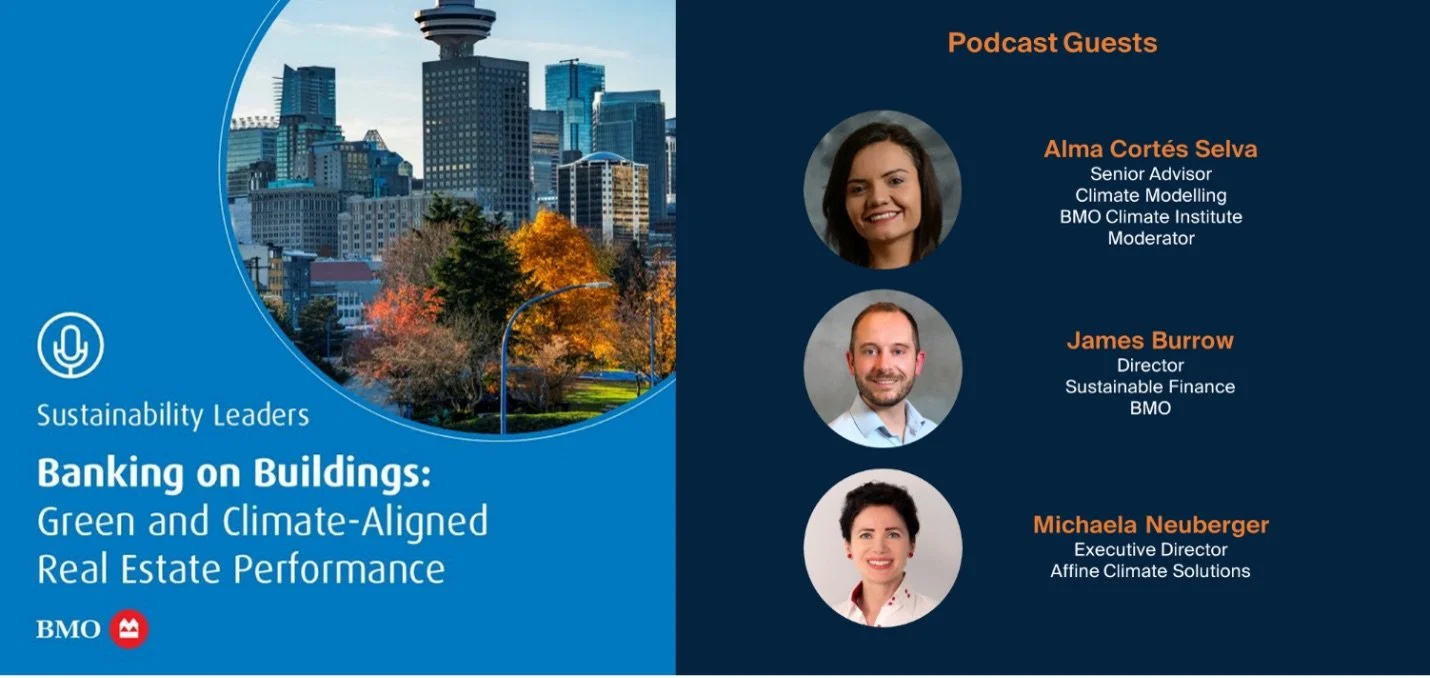
Affine Climate Solutions’ Executive Director, Michaela Neuberger, joined BMO’s Alma Cortés Selva and James Burrow, on the Sustainability Leaders podcast to discuss evidence linking climate performance with stronger real estate financial outcomes. Drawing on more than two decades of research (2002–2024), the conversation highlights how climate-aligned buildings can deliver measurable value to lenders, owners, tenants, and fund managers through improved operational efficiency, stronger asset performance, and reduced credit risk.
The episode explores how these findings are reshaping real estate finance, including:
Why operational efficiency and emissions performance increasingly matter for long-term asset value
The distinction between “green” buildings and truly climate-aligned assets
How lenders, appraisers, and valuation practices can better integrate climate-related performance into financial decision-making
Practical examples and scalable approaches for advancing climate-aligned real estate investment and lending
Looking ahead, the discussion considers what is needed to scale climate-aligned lending across Canada, including broader participation from financial institutions, continued market pilots, and stronger alignment between finance, valuation, and policy frameworks. The conversation reinforces a growing market opportunity: integrating climate performance into real estate lending is becoming increasingly important for understanding both risk and long-term value creation.
Listen to the podcast episode: Banking on Buildings: Green and Climate-Aligned Real Estate Performance
Read the Research Report: Financing the Future

Financing the Future: How Financial Institutions Can Lead in Climate-Aligned Real Estate
We conducted a comprehensive review of 100+ peer-reviewed studies to assess financial and risk evidence supporting differentiated lending practices for climate-aligned buildings.

For more than two decades, researchers in Canada and internationally have been reaching the same conclusion: buildings that perform better environmentally also perform better financially.
Launched in 2025, the Banking on Buildings Program is a national collaboration to accelerate low-carbon, climate-resilient real estate through the financial sector. As part of the program, Affine Climate Solutions and Recursive Advisors conducted a meta-analysis of more than 100 peer-reviewed studies published between 2002 and 2024 to answer a simple but powerful question: What financial and risk-based evidence supports differentiated lending practices for climate-aligned buildings in Canada?
What the Evidence Shows
The findings are remarkably consistent. Across the globe and residential and commercial real estate markets, green and energy-efficient buildings outperform conventional buildings on key financial metrics – rents, occupancy, operating costs, and asset value. But the most important insight is often misunderstood. The advantage is not always a “green premium” in the form of higher rents. More often, it is the avoidance of erosion in net operating income (NOI). In plain terms, climate-aligned buildings hold their value while others fall behind.
Why this Matters for Lenders
Stable NOI translates into lower default risk and better value retention. Research from the U.S. and Europe shows that energy efficient and certified green buildings experience significantly lower operating costs, default rates and, in some cases, qualify for reduced interest rates.
The operational reasons are straightforward. Green buildings lease faster, retain tenants longer, require fewer rent concessions, and deliver higher tenant satisfaction. They also have lower utility costs and are better positioned to withstand climate stressors such as heat, flooding, and energy price volatility. These factors combine to create more predictable cash flows – exactly what lenders seek when pricing risk.
From Green to Climate-Aligned
Looking ahead, the next frontier goes beyond traditional “green” attributes. Climate-aligned buildings – those that are at the forefront of net zero transition pathways - represent the evolution of sustainable real estate. Recognizing this shift offers financial institutions a strategic opportunity: to strengthen risk models, improve loan performance, and build lower-risk portfolios while gaining competitive advantage as early adopters. As transition risk accelerates, buildings that lag behind climate targets face increasing exposure to obsolescence, retrofit costs, and value discounts. Historically, non-green buildings have faced value discounts of 7 to 10%, with even steeper penalties emerging in markets with stronger energy regulation.
There is also a clear precedent for action. In the U.S., Fannie Mae (the Federal National Mortgage Association), a government-sponsored housing finance agency, has shown how preferential loan terms for sustainable buildings can improve affordability while strengthening portfolio performance. Over the past decade, its green financing programs have supported more than one million residential units, justified higher loan-to-value ratios, reduced default risk, and unlocked the largest issuance of green mortgage-backed securities on record.
For Canadian financial institutions, these trends underscore a clear reality: sustainability is no longer optional; it is a core driver of asset value and loan performance. By embedding climate-aligned attributes into underwriting and portfolio strategies, institutions can reduce risk while positioning themselves to capture emerging opportunities. Taken together, the evidence supports a strong business case for expanding climate-aligned lending practices across the financial sector.
Financing Solutions to Accelerate Low-Carbon, Resilient Real Estate
Climate-aligned buildings lower risk and improve financial performance, but higher upfront costs and weak near-term incentives slow adoption. We convened 100+ stakeholders to clarify what is working – and what must happen to unlock financing solutions.
Transforming Canada’s building sector requires more than strong research or well-designed frameworks. It requires stakeholders to align the practices that connect building performance, valuation, and finance.
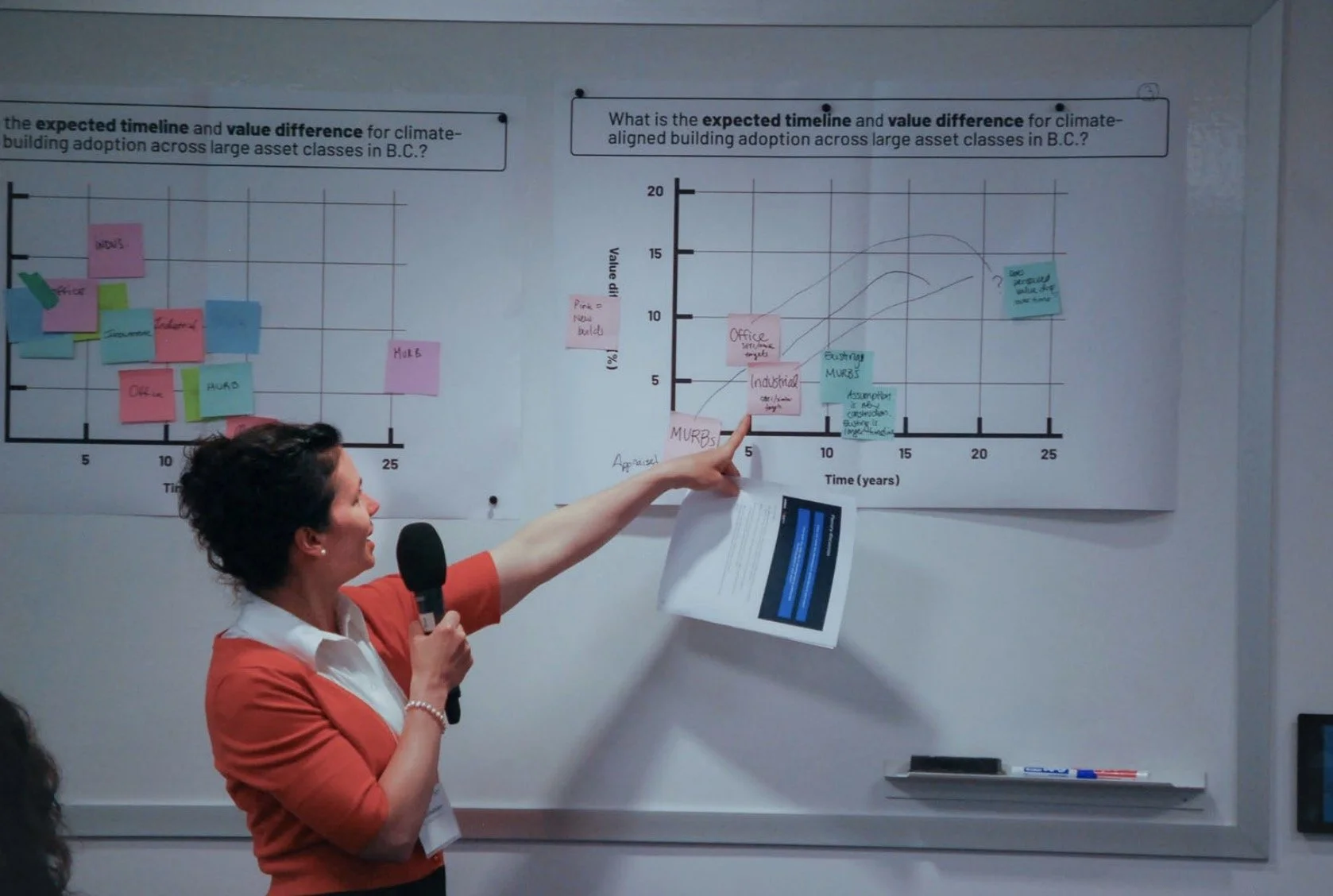
In 2025, Affine Climate Solutions brought this approach to life through two national industry workshops, held in Vancouver and Toronto, as part of the Banking on Buildings Program. In partnership with a growing coalition of financial institutions and convening support from SFU Renewable Cities, these sessions convened more than 100 professionals from the real estate, finance, regulatory, and non-profit sectors to test ideas, challenge assumptions, and help shape practical solutions for low-carbon, climate-resilient real estate.
How We Work
Rather than presenting finished solutions, Affine used these workshops as working sessions. Participants engaged with draft research findings and practical early-stage frameworks, testing them through facilitated discussions and table exercises. This approach ensured that outputs are grounded in market realities and usable by frontline decision-makers.
We brought together participants from financial institutions, utilities, green building groups, policy organizations, climate-focused non-profits, investors, insurers, developers, asset managers, appraisers, and consultants, to ensure a wide range of knowledge and input.
What we Heard
While perspectives varied, a common motivation emerged: a need for credible, evidence-based ways to connect building performance with financing, valuation, and risk decisions.
In Vancouver, conversations emphasized clarity and the role of insurance and regulation in shaping market behaviour. In Toronto, discussions focused more heavily on translating performance into financial language – from debt-service coverage and underwriting to cap rates and default risk. Together, the sessions reinforced the importance of consistent definitions and metrics as well as coordinated collective action to accelerate sustainable real estate.
Across both cities, participants highlighted a persistent “valuation gap.” Climate-aligned buildings deliver real benefits – lower operating costs, reduced default risk, improved resilience – yet these advantages are not consistently reflected in lending terms or appraisals. Many attendees reported that they saw the workshops as an opportunity to help close that gap.
What We’re Doing with the Feedback
Insights from both workshops are directly informing the next phase of the Banking on Buildings Program. Participants’ input is being used to refine performance criteria, simplify frameworks, strengthen the business case narrative, and shape upcoming financing pilots across asset classes and regions.
Most importantly, these engagements reflect how Affine works: by convening diverse voices, grounding climate action in financial realities, and co-developing tools that can be scaled to align real estate finance with emerging climate mandates. Financial institutions that embed resilience and emissions criteria into lending practices not only reduce portfolio risk but also unlock new opportunities for growth in a rapidly changing market. As regulatory expectations evolve, this kind of collaborative groundwork will be essential to accelerating climate-aligned real estate across Canada.
We are grateful for support from Forestry Innovation Investment’s Wood First Program and The Atmospheric Fund (TAF), whose contributions made these workshops possible.
Opinion: Decarbonizing Housing Isn’t a Burden. It’s an Investment — But There are Challenges
The good news? We have the technology - and, since 2022, heat pump sales exceed furnace sales in B.C. The challenge? Financing: costs are a steep hill for strata councils and rental owners.
Last July, I stood in a stuffy hallway of a 1970s walk-up in East Vancouver. The building manager had just installed portable air-conditioning units in two suites — an emergency measure after a tenant fainted during a heat wave.
“We need a real solution,” she said. “But we can’t afford it.”
That moment stuck with me. It’s a story repeated across B.C.’s low-rise multi-family buildings, where aging infrastructure meets rising temperatures.
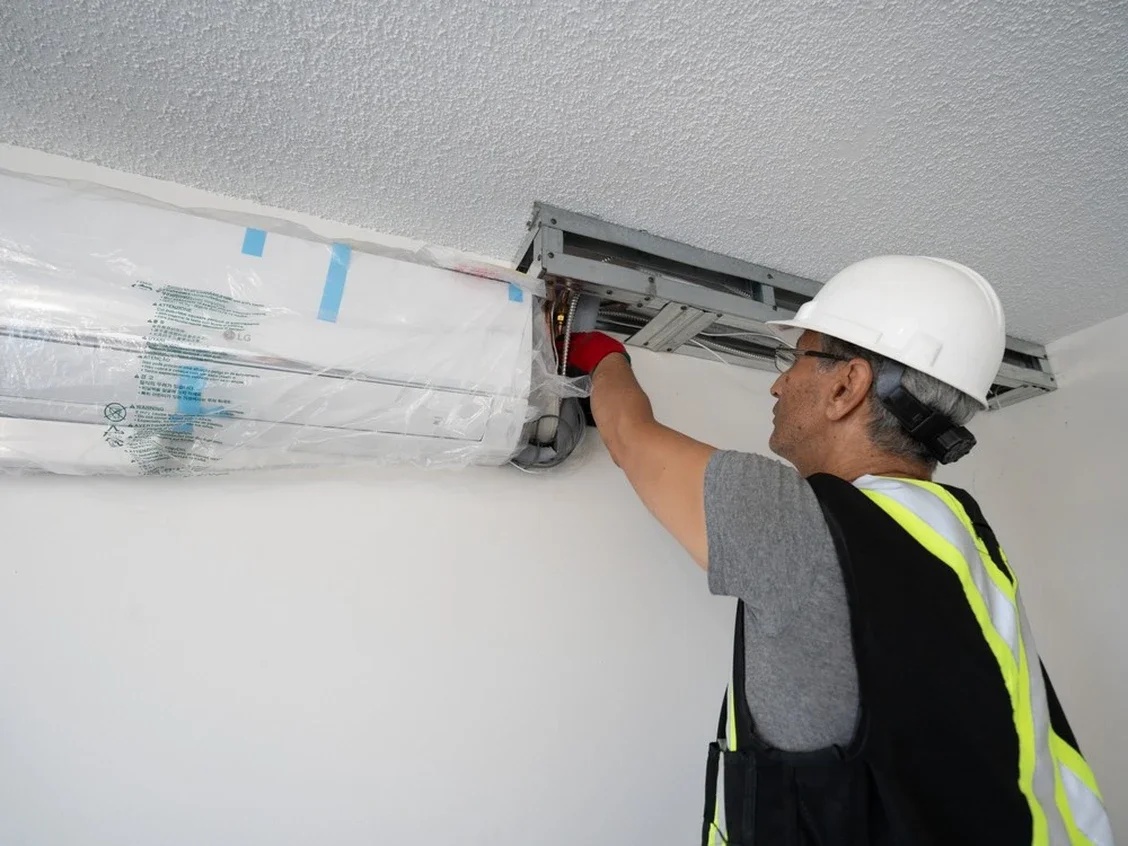
Heat pumps are efficient, clean, and increasingly affordable. They cool in summer, heat in winter, and lead to reduced indoor air pollution. But retrofitting a 40-unit building can cost over $1 million, depending on the system type and electrical upgrades required. Even with rebates, that’s a steep hill for strata councils and rental owners.
That’s where Affine Climate Solutions comes in.
We’re currently leading more than 20 deep retrofit projects across B.C., helping apartment buildings cut their carbon emissions by over 90 per cent. Our upgrades include heat pumps, insulation, ventilation, and hot water systems.
These improvements don’t just reduce carbon — they save money. Building owners are seeing average energy savings of about $500 per unit per year, thanks to the efficiency of heat pumps and lower operating costs. We support owners through every step, from design to financing, making it easier to modernize and improve comfort for residents.
To scale this work, we launched the Banking on Buildings Program — a national initiative to transform how financial institutions evaluate and finance green buildings.
The program focused first on new construction, now running pilots across commercial and multi-family buildings. This fall, we're expanding into retrofit financing, working with policy- makers and lenders to help older buildings access the capital they need to become low-carbon and climate resilient.
Here's the idea: If banks recognize that climate-aligned buildings are higher value and lower- risk, they can offer better loan terms. That means lower interest rates, faster approvals, and more accessible financing for retrofits. We're working with major lenders like BMO, BDC, Vancity Credit Union, and Coast Capital Savings to make this happen.
Canada has over 16 million homes and half a million other buildings, most of which will still be standing in 2050. Yet less than five per cent of these buildings are low-carbon or climate resilient, and only a fraction meet net-zero standards.
Retrofitting isn't just a climate imperative — it's a public health and affordability issue.
Low-carbon buildings use less energy, cost less to operate, and are safer during extreme weather. They also hold their value better, with lower operating costs, occupancy rates, and resale prices.
We're calling on governments to support capital relief for climate-aligned buildings — a simple policy change that would allow banks to hold less capital against lower-risk green loans and mortgages and pass on better loan terms for low-carbon retrofits.
It's a practical fix that could unlock billions in financing.
We're also inviting building owners and lenders to step up. Let's make heat pumps and deep retrofits the new standard in B.C.'s apartment buildings — not the exception.
Because decarbonizing housing isn't a burden, it's an investment. One that pays off in lower energy bills, healthier indoor air, safer communities, and more affordable living.
Because no one should have to choose between staying cool and staying safe.
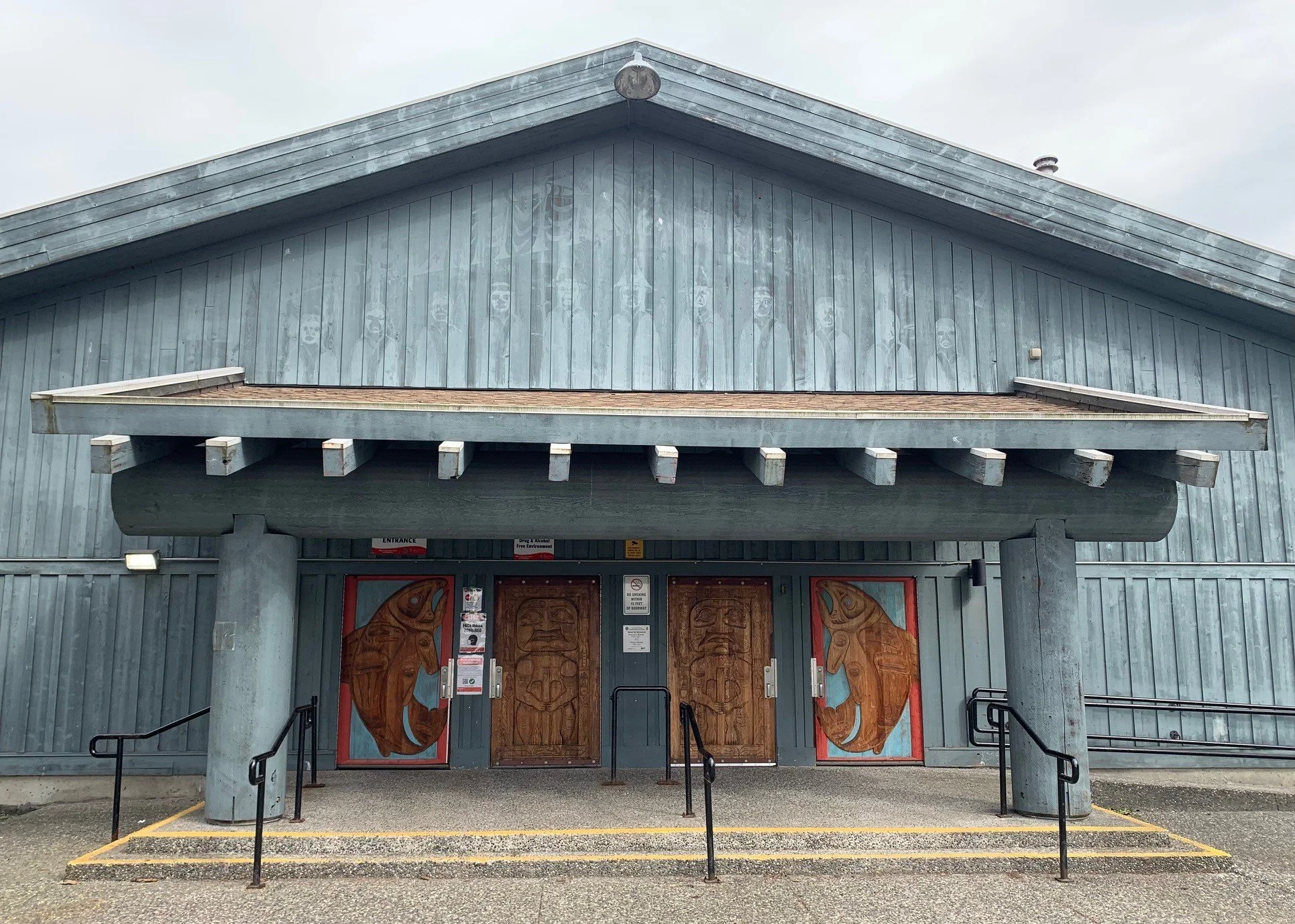
Designing for Net Zero: Lessons from the Squamish Nation’s Chief Joe Mathias Centre
We supported planning for a deep retrofit pilot to demonstrate the financial and community value of fully electrifying a cultural hub to support long-term net-zero and resilience goals.
Across Canada, many communities are grappling with the same challenge: how to meaningfully decarbonize existing buildings without compromising affordability or community function. This challenge is often paired with a deeper responsibility – to align climate action with long-term stewardship, resilience, and care for community members across generations.
The Chief Joe Mathias Centre (CJMC), a cultural and recreational hub for the Squamish Nation offers a powerful example of how this can be done. Built in the early 1990s, the Centre supports year-round programming, community gatherings, and essential services. With major mechanical systems reaching the end of their useful life, the building became an ideal candidate to test what a credible, net-zero-aligned retrofit could look like in practice.
Testing Full Electrification in a Real-World Setting
Rather than defaulting to conventional equipment replacement, the Squamish Nation chose to use this opportunity to pilot an approach that could inform future retrofit decisions across its building portfolio. The objective was not only to reduce emissions, but to understand the technical feasibility, financial implications, and long-term value of moving away from fossil fuels entirely.
One of the most significant questions explored through the project was whether a fully electric retrofit could realistically meet the needs of a complex, high-use community facility. Hybrid systems that retain natural gas for peak heating are often perceived as a safer or more economical option. Through detailed energy modelling and schematic design, however, the project demonstrated that a fully electric solution could meet heating, cooling, and domestic hot water demands without a prohibitive cost premium, while avoiding the long-term emissions and transition risks associated with gas infrastructure.
Long-Term Value, Health, and Resilience
The retrofit strategy focused on electrifying HVAC systems, domestic hot water, and commercial kitchen equipment, supported by rooftop solar photovoltaics. Together, these measures were projected to reduce greenhouse gas emissions by approximately 87%. Importantly, the project explored less common retrofit components, such as fully electrified commercial kitchen equipment, helping to test market readiness and identify supply limitations that are often overlooked in early planning.
Beyond emissions, the project highlights the broader benefits of deep retrofits when evaluated through a long-term lens. A Total Cost of Ownership (TCO) analysis compared like-for-like equipment replacement with a deep electrification pathway over a 60-year post-retrofit lifespan. While the electrified option required higher upfront capital investment, the analysis showed that lower energy costs, improved system efficiency, and avoided exposure to natural gas price escalation could offset those costs over time. In other words, the “cheapest” option upfront was not the most cost-effective option over the life of the building.
From Pilot Project to Portfolio Learning
Health and resilience were equally central to the project’s design. Eliminating gas-fired kitchen equipment improves indoor air quality, reducing exposure to pollutants for staff, elders, children, and other vulnerable community members. New ventilation and filtration systems further protect indoor environments during wildfire smoke events – an increasingly common climate impact in B.C.
The project reframed the Centre’s role during extreme weather. Post-retrofit, CJMC is envisioned as a community resilience hub, capable of providing safe, climate-controlled space during heat waves, cold snaps, and emergencies. While a battery storage system was investigated, cost and duration constraints led the team to pursue alternative backup power solutions, with an emphasis on lower-emission fuel options. This transparent evaluation process is itself an important outcome, offering practical insight into where current technologies succeed and where further innovation is needed.
Perhaps most importantly, the CJMC retrofit demonstrates the value of using pilot projects as learning platforms. The goal was not to create a one-off success, but to test assumptions, build internal capacity, and develop replicable processes that can support future decarbonization efforts across the Nation’s building stock.
As more communities face decisions about aging infrastructure and climate commitments, projects like the Chief Joe Mathias Centre illustrate what becomes possible when retrofit planning is guided by long-term value and community priorities.
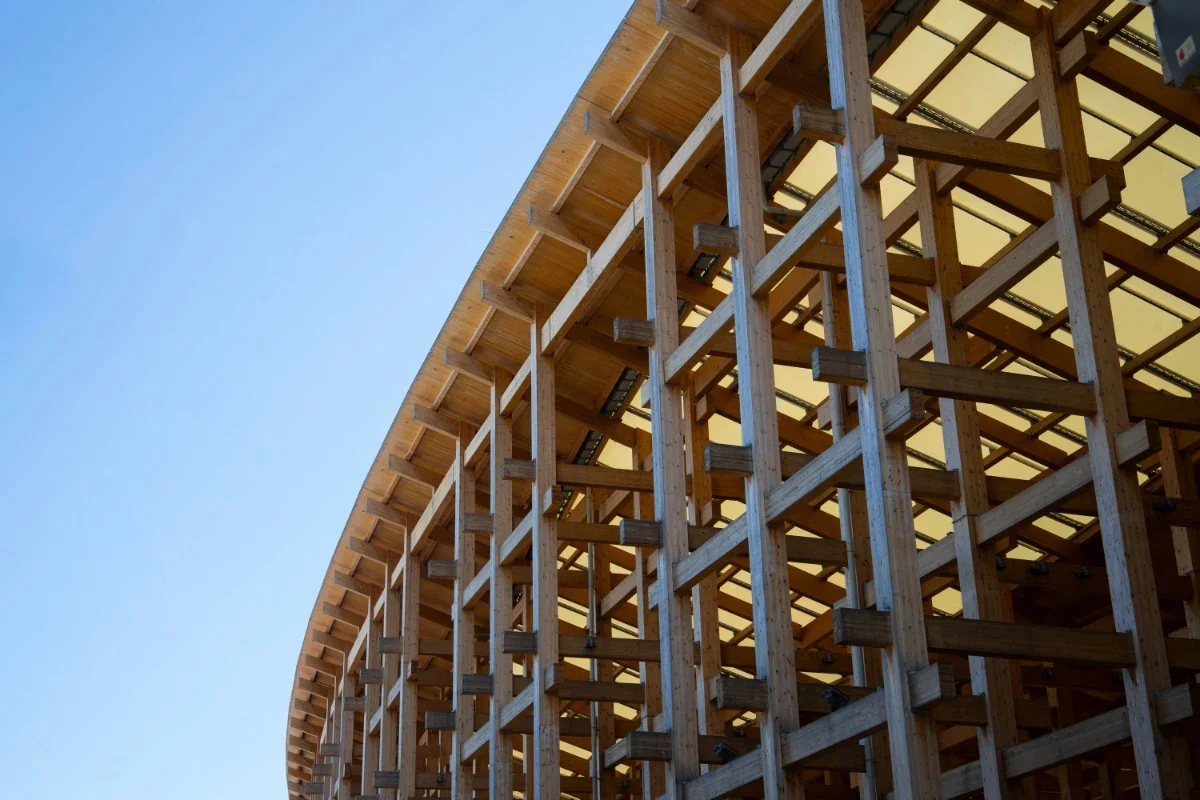
Beyond Carbon: Why Mass Timber Is Gaining Ground in B.C. Construction
Our Total Cost of Ownership (TCO) analysis shows that mass timber can strengthen climate performance and long-term value beyond upfront cost.
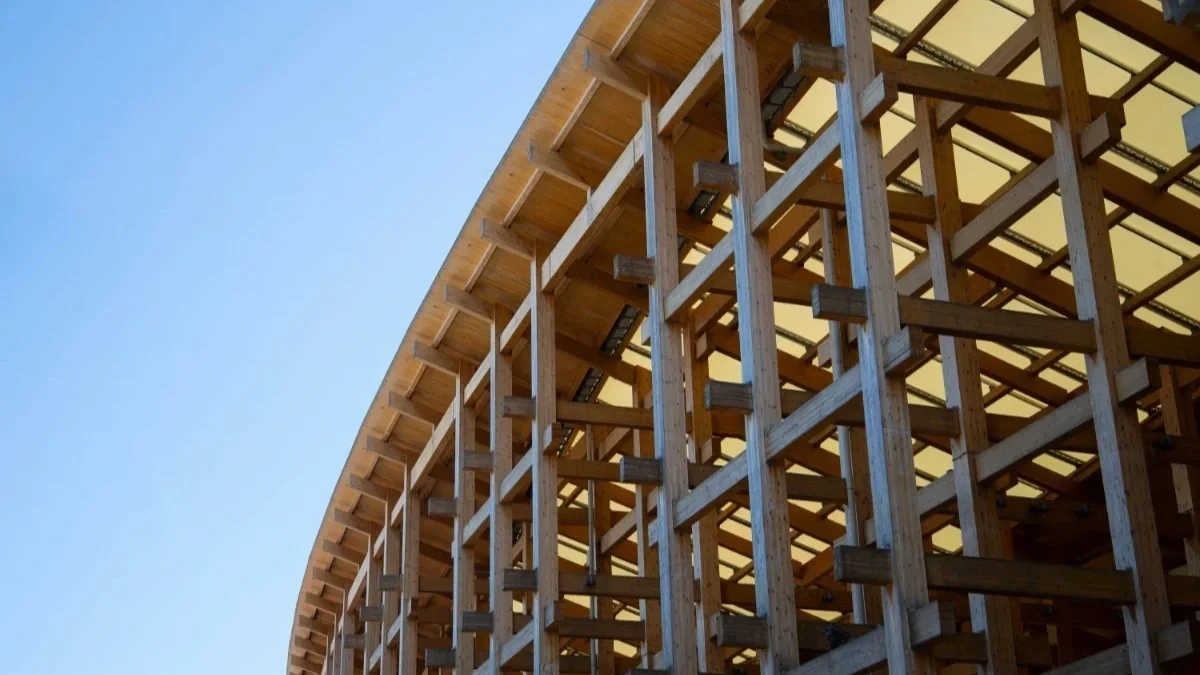
Mass timber is moving from niche to mainstream in British Columbia and other Canadian provinces. Years of coordinated effort by governments, industry, Indigenous partners, and post-secondary institutions have grown local manufacturing capacity, strengthened workforce skills, and increased market confidence. The result: as of December 2023, there were 370 mass timber buildings in B.C., according to the Government of B.C.’s Mass Timber Action Plan Progress Update. A2024 BC Building Code revision raised the height limit for encapsulated mass timber construction from 12 to 18 storeys, further encouraging uptake.
Supported by BC Forestry Innovation Investment’s (FII) Wood First Program, Affine Climate Solutions developed a Total Cost of Ownership (TCO) methodology comparing mass timber with conventional construction materials across nine decision factors.
Beyond Carbon: Housing and Delivery Benefits
Beyond its climate benefits, mass timber offers a compelling opportunity to address housing supply challenges. Prefabricated and modular approaches can shorten construction schedules and reduce site disruption. Recent theoretical costing studies suggest mass timber can be competitive with concrete and steel under the right conditions – but upfront construction costs tell only part of the story.
Our report highlights why TCO matters when deciding whether to incorporate mass timber and other emerging materials and technologies into construction projects. While upfront costs for mass timber can still be higher – and insurance, financing, and procurement risks remain a factor – TCO analysis provides a more complete picture of long-term costs and benefits. When operational performance, occupant wellbeing, embodied carbon, schedule impacts, and long-term asset value are considered together, mass timber’s advantages become clearer.
From Case Study to Market Insight
Using a hybrid mass timber affordable housing project under construction in Vancouver as a case study, we compared nine decision factors across mass timber, concrete, and steel systems. Applying real project data to a modeled pro formaallowed us to test assumptions and surface trade-offs across upfront capital costs, lifecycle costs and performance, environmental outcomes, and occupant benefits. While modeled comparisons have limitations – costs fluctuate over time, making accurate projections a challenge – the approach offers a comprehensive framework for informed decision-making.
The takeaway is not that mass timber is always the lowest-cost option today, but that its risk profile is improving. At the same time, mass timber provides significant embodied carbon reductions and end-of-life benefits through reuse, repurposing, and biodegradability. As supply chains mature and more projects reach completion, costs are expected to decline and insurance and financing barriers to reduce. As a locally sourced material, mass timber strengthens regional economies and reduces exposure to global supply chain volatility.
For owners and developers considering mass timber, early and integrated decision-making is critical. Engaging insurers and financiers upfront, selecting experienced design and construction teams, and considering alternative delivery models can significantly improve outcomes. Equally important is starting with mass timber as a primary design intent – rather than treating it as a late-stage substitution – so its schedule and carbon benefits can be fully realized.
Mass timber is not just a construction choice. In many cases, it can be a strategic investment in climate-aligned housing and long-term asset performance.
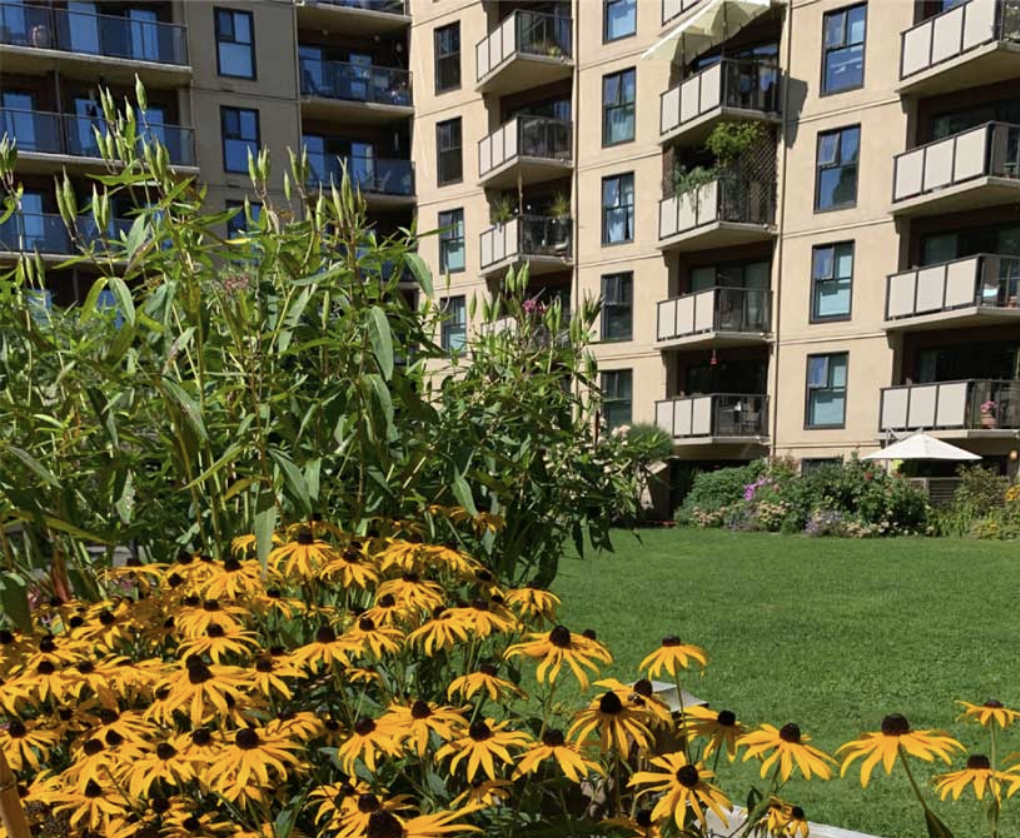
Comparing Net Zero Retrofit and New Construction Pathways in False Creek South
Retrofitting often costs less and emits far less carbon than rebuilding – but the right choice depends on priorities. We explored the trade-offs between affordability, density, cost, and climate outcomes.
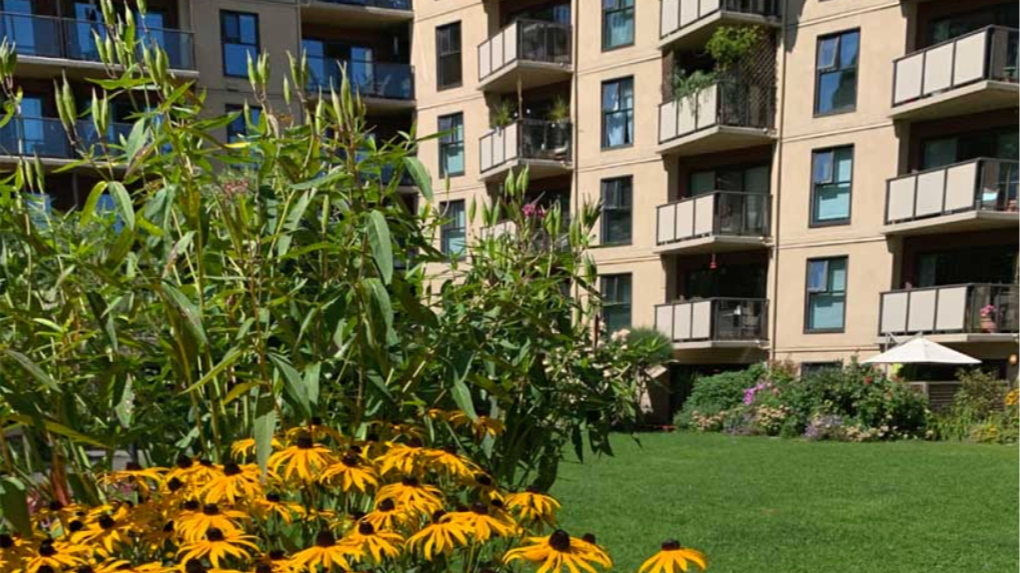
As cities grapple with aging buildings, climate commitments, and affordable housing shortages, the question of whether to retrofit or redevelop is becoming central to urban planning. For False Creek South - a Vancouver neighbourhood where two-thirds of homes are non-profit or co-operative - the answer carries long-term implications for carbon emissions, affordability, and housing availability.
Affine Climate Solutions was selected by the False Creek South Neighbourhood Association (FCSNA) and its RePlan committee to complete a study comparing two pathways for Creekview Housing Co-operative: a net-zero, climate-resilient retrofit, or complete redevelopment with new affordable and market units. Amid upcoming lease expiries and accumulating deferred maintenance across many homes in False Creek South, the Creekview case study offered a critical opportunity to assess the environmental and financial impacts of each option.
Comparing Retrofit and Redevelopment Pathways
Our analysis evaluated five key drivers: density, capital costs, affordability, livability, and carbon (both operational and embodied). The findings showed that retrofitting existing buildings can deliver lower emissions and greater affordability than new construction.
Over a 45-year horizon, the retrofit scenario was projected to generate 92% less carbon than redevelopment, with embodied carbon accounting for most emissions in both scenarios. Lifetime costs were also considerably lower, with the retrofit scenario projected to cost 90% less than redevelopment. While redevelopment could increase the number of housing units by approximately 80%, it would likely be financially unviable to maintain the current level of deep affordability.
From Comparison to Informed Choice
To fully inform future planning, additional work could strengthen the comparison, including a detailed pro forma for new construction, refined upgrade scopes for a retrofit scenario, and a deeper evaluation of community and social impacts.
For Affine, this project reflects the kind of integrated, evidence-based analysis we bring to housing providers, governments, and real estate developers. By combining carbon modelling, cost analysis, livability considerations, and climate-aligned financing insights, we help clients navigate complex decisions that balance environmental performance with long-term social value.

Understanding the Language of Climate-Aligned Real Estate
We have developed a practical guide to help stakeholders in sustainable finance and real estate decode common terminology.
The world of sustainability and real estate is filled with technical terminology that can be daunting, even for professionals. Terms like “net-zero”, “decarbonization”, and “climate resilience” are widely used, but what do they mean in the context of financial institutions, developers, and policymakers?
At Affine Climate Solutions, we believe that clarity in language leads to clarity in action. This guide breaks down the most essential terms shaping the industry, providing a reference point for stakeholders looking to align with the future of sustainable finance.
Carbon and Emissions Focus
Climate-Aligned:
A process of aligning economic activities with global 1.5°C climate targets. Used in finance, investment, and real estate to indicate proactive climate action rather than incremental emission reductions or carbon offsetting.
Climate-aligned real estate refers to buildings that are prepared for tomorrow’s climate realities. A climate-aligned building is low-carbon across its life cycle – meaning it tackles operational and embodied emissions – and it’s resilient to physical climate risks like flooding or extreme heat. In other words, it’s designed to perform under future conditions, not just current codes.
Why it Matters: Climate risk is now credit risk. Properties that can withstand shocks and maintain stable net operating income are less likely to default and more likely to retain value. That’s the business case: climate alignment isn’t a marketing label; it’s a risk management strategy that protects portfolios and creates opportunity for sustainable growth.
Decarbonization:
The reduction or elimination of CO₂ and other greenhouse gas emissions, typically through energy efficiency measures, renewable energy adoption, electrification, and operational shifts.
Why it Matters: According to the United Nations Environment Program’s report Building Materials and the Climate: Constructing a New Future, the buildings and construction sector is the largest emitter of greenhouse gases, contributing nearly 40% of global emissions, making it a critical focus area for meaningful climate action.
Net-Zero (Emissions)
Achieving a balance between greenhouse gases produced and those removed or offset.
Why it Matters: Financial institutions, governments, and corporations continue to make net-zero commitments to align with international climate goals and economic opportunities, creating a shift in lending, underwriting, and investment practices.
Resilience and Adaptation
Climate Recovery
A forward-looking approach to not only reducing emissions but actively restoring ecosystems and reversing environmental damage.
Why it Matters: Some corporations, governments, and non-profits are moving beyond “do less harm” models toward regenerative investments that contribute positively to the environment.
Climate Resilience
The ability of buildings, infrastructure, and financial systems to withstand and adapt to climate-related risks such as extreme weather events, rising sea levels, and changing regulations.
Why it Matters: Climate-resilient assets are prepared for tomorrow’s climate realities and pose lower physical and financial risks for owners, tenants, investors and lenders, making them more stable and attractive.
Sustainability and Circularity
Circular Economy
A system where materials and resources are kept in use for as long as possible, minimizing waste and maximizing efficiency.
Why it Matters: The real estate sector is shifting toward circular economy principles, prioritizing adaptive reuse, sustainable materials, and lifecycle carbon reduction.
Regenerative Design
Going beyond sustainability by actively improving environmental and social systems through design, planning, and material selection.
Why it Matters: Real estate projects that embrace regenerative design are better positioned for long-term value retention and occupant well-being.
Sustainability in Real Estate
Sustainability is generally defined as meeting present needs without compromising the ability of future generations to meet theirs. It is a broad term that encompasses economic, environmental, and social responsibility.
Sustainable Real Estate is a building or portfolio planned, financed, delivered, and operated to minimize whole-life environmental impacts, strengthen social outcomes for occupants and communities, and maintain resilient, transparent governance—while preserving or enhancing long‑term financial value.
Why it Matters: Sustainability is not an add-on; it’s a core driver of asset value and loan performance through supply and demand, obsolescence, and risk reduction.
Strategy Terminology for Real Estate
Climate Strategy
An organization-wide framework that guides how real estate assets and portfolios are planned, financed, delivered, and operated in response to climate risk and opportunity. It integrates emissions reductions, climate resilience, and sustainability to protect long-term asset value, portfolio performance, and organizational objectives.
Decarbonization Strategy
A targeted, actionable approach for reducing greenhouse gas emissions across real estate portfolios, covering design standards, capital planning, construction practices, operations, and asset management. It aligns technical pathways with governance, funding, and delivery processes to drive measurable emissions reductions.
Net Zero Strategy
A portfolio-level roadmap that sets targets, timelines, and implementation pathways to eliminate operational and embodied carbon in real estate assets over time, while strengthening resilience to future climate conditions. It connects building-level actions with organizational strategy, investment decisions, and long-term portfolio planning.
Final Thoughts: Clarity Drives Action
In the rapidly evolving landscape of sustainability and climate risk in real estate, understanding these terms is more than semantics – it’s a practical necessity. At Affine, we believe insight is only the beginning. Turning insight and intention into action is where real impact happens.
Our team is committed to helping real estate owners and financial institutions lead the transition to climate-aligned portfolios. Because decarbonization isn’t just a climate imperative, it’s a strategic business advantage. Our work – including initiatives like the Banking on Buildings Program – demonstrates the business case for climate-aligned real estate and lending strategies.